

Know-Before-You-Go Essentials to Help Bears and You
By Sidney Scarlett
From hiking and camping to trail running and mountain biking to hunting and fishing, outdoor recreation is one of the great privileges of living in or visiting the Northern Rockies. These wild landscapes are also home to grizzly bears, an iconic species that depends on large, connected habitats to survive. (We’re all about that here at Vital Ground!)
Fortunately, bear encounters are rare and practicing a few simple grizzly bear safety tips can help keep it that way. Whether you’re hiking in bear country, casting a fishing line in a mountain stream, riding a mountain bike or packing out an elk in the fall, understanding bear safety in grizzly habitat helps protect both people and wildlife. By staying alert, carrying bear spray and respecting the natural behavior of bears, recreationists can safely enjoy these wild places while helping ensure grizzlies remain a thriving part of the landscape.
As summer approaches and we prepare for warm-weather outdoor pursuits, keep these bear-aware tips in mind!
1. Carry Bear Spray—and Know How to Use It!
Bear spray is one of your most important safety tools while recreating in grizzly country. It should always be stored somewhere easily accessible, such as a hip holster or chest harness, rather than buried in a backpack where it may be difficult to reach quickly during an encounter. Before heading outdoors, take time to familiarize yourself with how your bear spray works and practice removing it from its holster.
Bear spray is most effective when used at close range during a defensive encounter. Simply carrying it is not enough—knowing when and how to deploy it matters too.
Not familiar with how to use bear spray? Watch this video from Montana Fish, Wildlife & Parks to learn:
When used properly, bear spray can prevent an encounter from escalating and helps keep both people and bears safe.
2. Make Noise to Avoid Surprising Bears
Most defensive bear encounters happen because a bear is startled at close range. Bears often avoid people when they hear them coming, which is why making noise while traveling through dense vegetation, near streams or around blind corners is so important. Talking loudly, clapping or calling out phrases like “Hey bear!” can help alert wildlife to your presence and reduce the likelihood of a surprise encounter. This is especially important on windy days or near rushing water (bears often spend time in creek and river bottoms) where natural sounds may mask your approach. The goal is not to scare bears, but to give them enough warning of human presence to move away before you get too close.
3. Stay Alert and Watch for Bear Signs
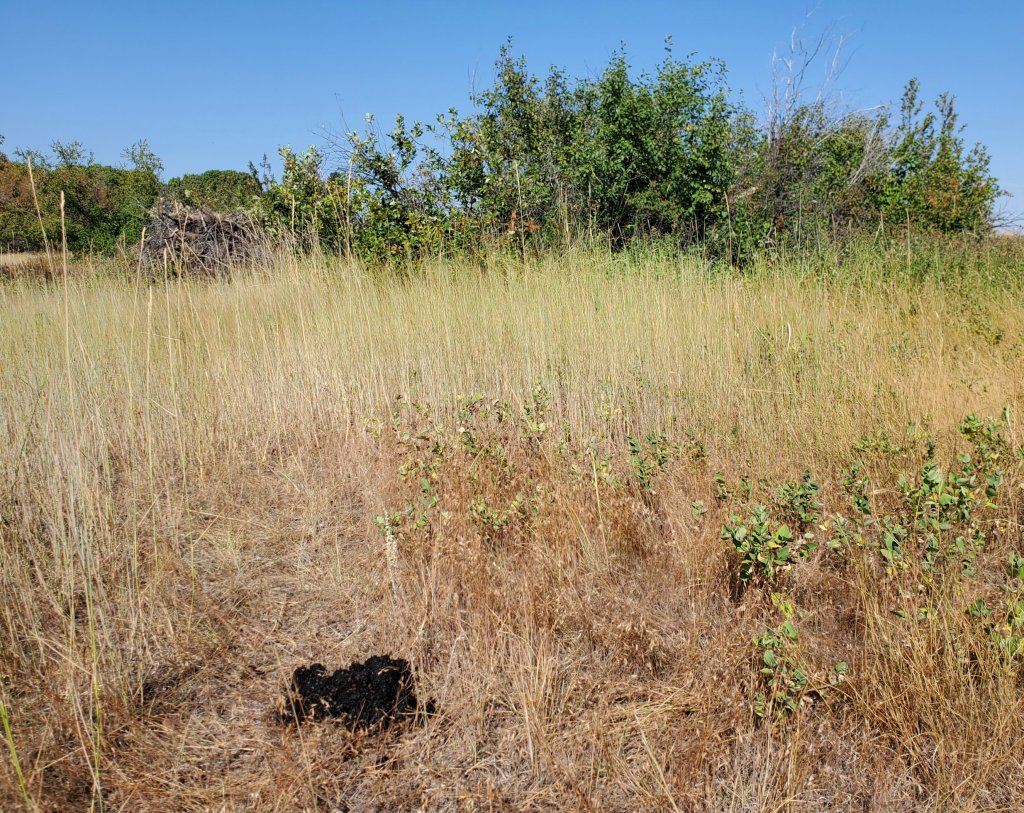
Paying attention to your surroundings is a crucial part of recreating safely in bear country. Your eyes, ears and nose can all help you stay alert, so keep them all engaged (never wear headphones while out in grizzly country!). Tracks, scat, overturned logs or freshly dug ground can all indicate recent bear activity in the area. If you notice these signs, it’s a good reminder to slow down, make extra noise and stay alert.
It’s also important to recognize when you’re in an area that may be attractive to bears, like berry patches or lush habitat along creeks and rivers. Stay especially alert for signs of a nearby animal carcass, which bears may guard defensively. Strong odors, scavenging birds or concentrated animal remains can indicate a feeding site nearby. If you encounter evidence of a carcass, leave the area immediately and give wildlife plenty of space.
4. Travel in Groups
Groups are generally noisier and easier for bears to detect than solo hikers, which can help reduce the chance of surprising a bear. Traveling with others also means more people are available to stay alert and respond calmly during an encounter if one occurs. Make sure everyone in your party is carrying a can of easily-accessible bear spray!
While many people enjoy solo adventures, hiking or recreating with partners is a safer choice in grizzly country. This is especially true in areas with dense vegetation, limited visibility or high bear activity. Even small groups make a meaningful difference in reducing risk.
5. Avoid Dawn and Dusk Activity
Grizzly bears are often most active during dawn and dusk, especially during peak summer heat and seasons when they are heavily feeding (early spring and late fall). Planning hikes, trail runs or bike rides during daylight hours can reduce the likelihood of encountering a bear unexpectedly on the trail.
Low light conditions can also make it harder for both people and bears to detect one another at a distance. In areas with thick vegetation or limited sightlines, this can increase the chance of a surprise encounter. Adjusting recreation schedules slightly can go a long way toward improving safety. If you can’t avoid being on the trail in the early or late hours, ensure that you’re making lots of noise and have your bear spray easily accessible.
6. Check for Trail Closures or Reported Bear Activity

Before heading out, check local trail reports, wildlife advisories and seasonal closures. Land managers sometimes temporarily close trails or recreation areas where bears are actively feeding, using habitat or caring for cubs.
These closures are designed to protect both people and wildlife by reducing the likelihood of conflict. Respecting posted warnings and closures is an important part of recreating responsibly in bear country. Conditions can also change quickly throughout the season, so checking updates before each outing is a good habit to develop.

7. Be Extra Careful When Moving Fast
Activities like trail running or mountain biking increase the chance of surprising a bear because you move quickly and quietly. When traveling at higher speeds—or through dense forest or riparian areas—make extra efforts to make noise and stay alert.
8. Keep a Clean Camp when Camping or Backpacking
Food and scented items can attract hungry bears to your campsite if they are not stored properly. Coolers, cooking equipment, people and pet food, toiletries and garbage should always be secured using bear-resistant containers (such as bear canisters or Ursacks), lockable coolers (check for a IGBC certification), bear boxes, or with proper backcountry food hangs.
Maintaining a clean campsite helps reduce odors that may attract wildlife overnight or to an unattended camp during the day. Cooking and storing food away from sleeping areas is another important precaution for campers and backpackers in bear country. Follow the bear triangle—cleverly nicknamed the “Bear-Muda Triangle”—when at camp. Set up your tent, kitchen area, and food storage 70 big steps apart (~200 ft). Even if a bear comes into the area sniffing for dinner, you’ll be safely away in your tent.
9. Keep Pets Close and Under Control
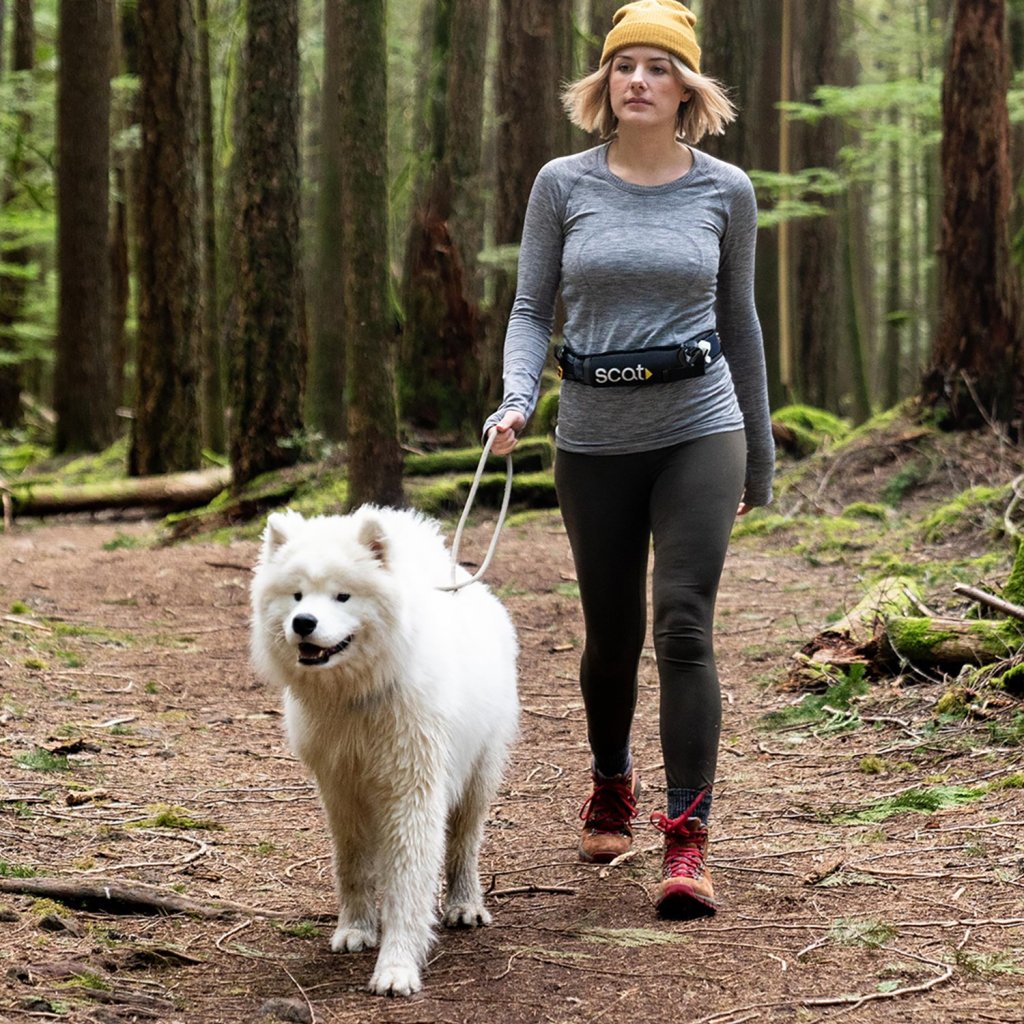
Many of us enjoy bringing our furry companions along with us on the trail, but dogs and other pets can increase the likelihood of a negative bear encounter if they roam too far ahead, venture off the trail or approach wildlife. Curious or protective pets may chase, bark at or surprise a bear, only to run back toward their owner with the animal following behind. Even well-trained dogs can behave unpredictably during a wildlife encounter and trigger a predatory or defensive response from a bear.
If you do bring pets along, keeping them close is a crucial responsibility and a key part of reducing risk while you’re recreating in bear country. Many backcountry areas in known grizzly habitat carry leash requirements that you should be sure to check for and follow. Maintaining voice control and staying aware of your surroundings can also help prevent pets from wandering into dense vegetation or areas with signs of recent bear activity. Responsible pet management protects not only people and bears, but pets themselves as well.
10. Be Extra Careful While Hunting or Angling
Hunters and anglers may encounter bears more often because they spend time in prime wildlife habitat, often travel alone and quietly and may be handling harvested game or fish. The sounds and scents associated with these activities can also attract curious bears. If you harvest and field dress an animal or are cleaning fish, stay alert and keep bear spray readily accessible. It is much safer to stay with a partner and take turns performing these tasks, with one person always staying alert to your surroundings. Move slowly and make lots of noise when approaching carcasses or returning to a harvest site. Packing out meat quickly and avoiding leaving remains near trails or camps can also reduce the chance of attracting bears. It’s a complicated challenge to maintain bear safety while hunting and angling, so take lots of time to prepare and to learn more, check out Montana FWP’s tips on Bear Safety.
Sharing the Landscape with Grizzlies
Grizzly bears are an integral part of the ecosystems of the Northern Rockies, and we at the Vital Ground Foundation are dedicated to reducing conflicts between people, bears and all our wild neighbors.
A little preparation goes a long way toward ensuring that the wild places we love remain wild for generations to come.